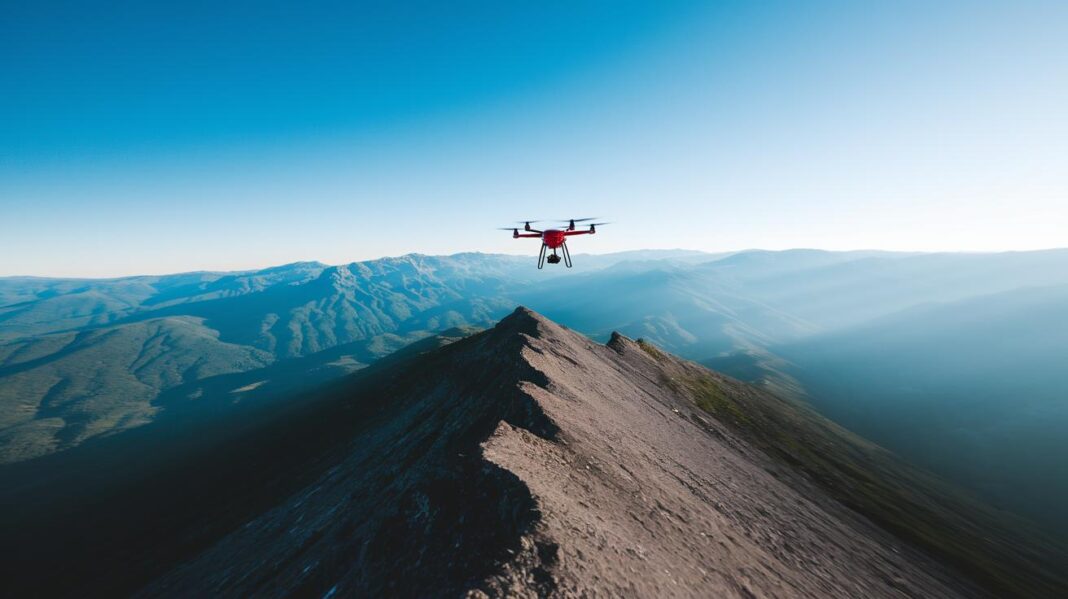

Have you ever thought about taking your drone footage to the next level? Imagine your drone flying high and capturing video so vivid you feel like you're watching a movie scene, every detail sharp and alive.
These top-tier 4K drone cameras record at 60 frames per second, turning each flight into a mini cinematic adventure. The smooth steering of the gimbal and clever design let you see the world clearly, while keeping your drone light enough for agile maneuvers.
In this post, we'll walk through the standout features of these cameras. Whether you're a beginner or a pro, get ready to enjoy aerial shots that feel as exciting as your favorite film moments.
4k drone cameras: Stunning Clarity Awaits

Looking for a 4K drone camera that makes your sky footage pop? When you're shopping around, keep your eyes on a few key points. First off, true 4K UHD at 60 fps is a must if you want video that’s sharp enough for the big screens. It’s like catching every little detail in a high-energy film scene.
Next, take a look at the gimbal system. A three-axis gimbal (just like the one on the DJI Mini 4K) does wonders by keeping your video super smooth even when it’s a bit breezy out there. And don’t forget about weight, models that stay under 249 grams, like the DJI Mini 4K and Mini 5 Pro, help you dodge any annoying registration rules.
One more thing: think about obstacle avoidance. While the Mini 5 Pro gives you sensors in every direction to help you avoid crashes, the Mini 4K doesn’t have that extra safety net. Also, consider the battery life; many drones average around 30 minutes of flying time, though this can change a bit depending on the weight.
Remote control features and app integration are also huge. They let you get live HD feeds and take advantage of smart flight modes that make flying less of a hassle. And finally, balance your budget with what you need. There are solid setups under $800, but if you’re after premium features, you might end up spending over $1,500.
In truth, it all comes down to weighing these features to find the perfect match for your aerial adventures. Enjoy the ride!
Comparison of top 6 4K drone camera models
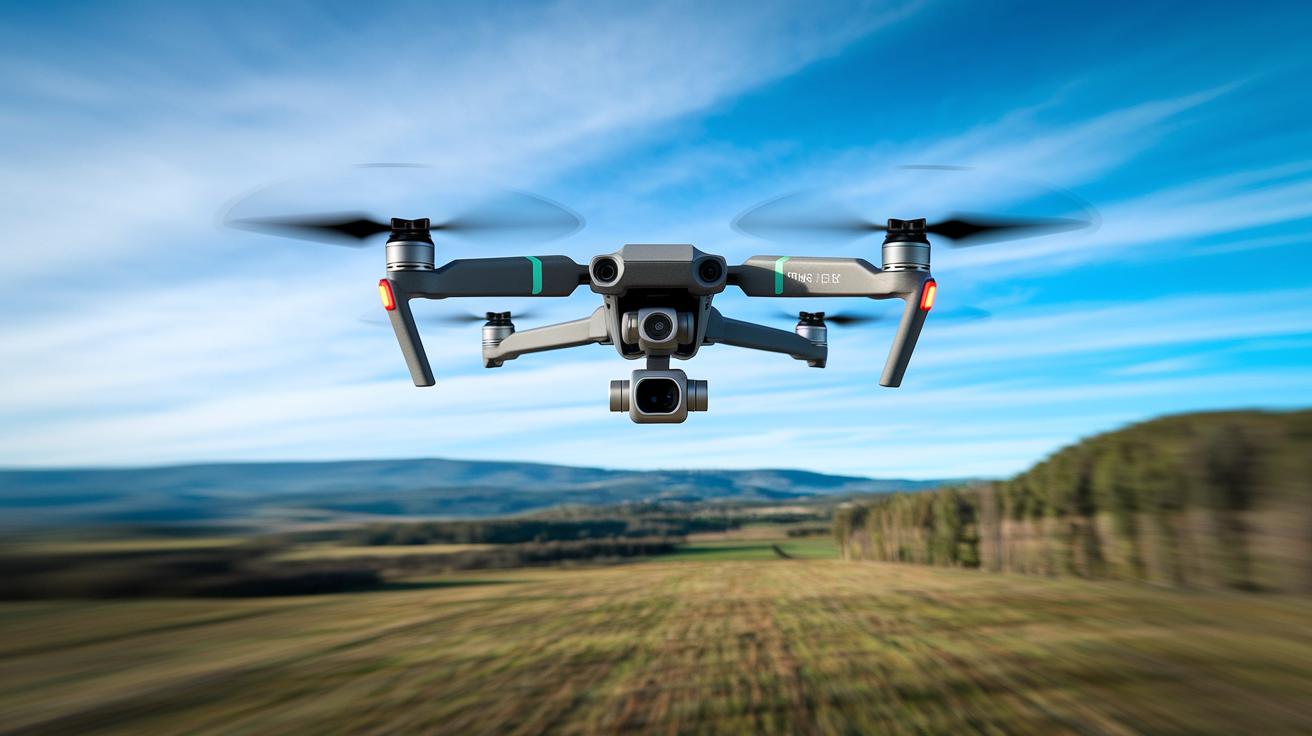
If you're on the hunt for a drone that captures spectacular 4K video, you really want to look over the main features each model offers. Each option brings its own perks in sensor quality, stabilization, and obstacle detection to suit both experts and hobbyists. For example, the DJI Mini 4K shoots in 4K at 60 frames per second with a three-axis gimbal, and it weighs under 249 grams. This makes it a neat choice if you need something light, even though it doesn’t come with extra safety sensors. Meanwhile, the DJI Mini 5 Pro steps it up by including full sensor coverage all around for obstacle avoidance, something you definitely want when filming in tricky spots.
Next, check out the side-by-side table below. It lays out key details like sensor type, gimbal configuration, weight, obstacle avoidance features, and price so you can easily pick the right setup for your filming style. If you’re after a drone with top-notch obstacle detection and a modern feel, the Mini 5 Pro might just score high for you.
| Model | Sensor/Resolution | Gimbal | Weight | Obstacle Avoidance | Price |
|---|---|---|---|---|---|
| DJI Mini 4K | 1/1.3″ sensor, 4K@60 fps | three-axis | 248 g | none | $749 |
| DJI Mini 5 Pro | 1″ sensor, 4K@60 fps | three-axis, omnidirectional | 249 g | full | $999 |
| DJI Mavic 4 Pro | 1/1.3″ + tele + wide, 4K@60 fps | Infinity Gimbal | 890 g | forward/back | $1,999 |
| DJI Air 3S | dual-camera, 4K@60 fps + 3× tele | three-axis | 720 g | forward/back/up/down | $1,299 |
| Autel EVO II Pro V3 | 1″ sensor, 6K@30 fps (4K subset) | three-axis | 1,200 g | forward/back | $1,795 |
| Autel EVO II Dual 640T | 1/2″ 4K + thermal | three-axis | 1,200 g | forward/back | $3,500 |
This lineup lets you weigh features like gimbal quality and sensor reach with real ease. Notice how some heavier models bring more controls and even dual payload options that are perfect for specialized filming tasks. Have you ever thought about how these small differences could change the whole shot? Compare these details to figure out which drone fits your style of capturing high-resolution aerial footage perfectly.
Technical deep dive into 4K drone camera specifications
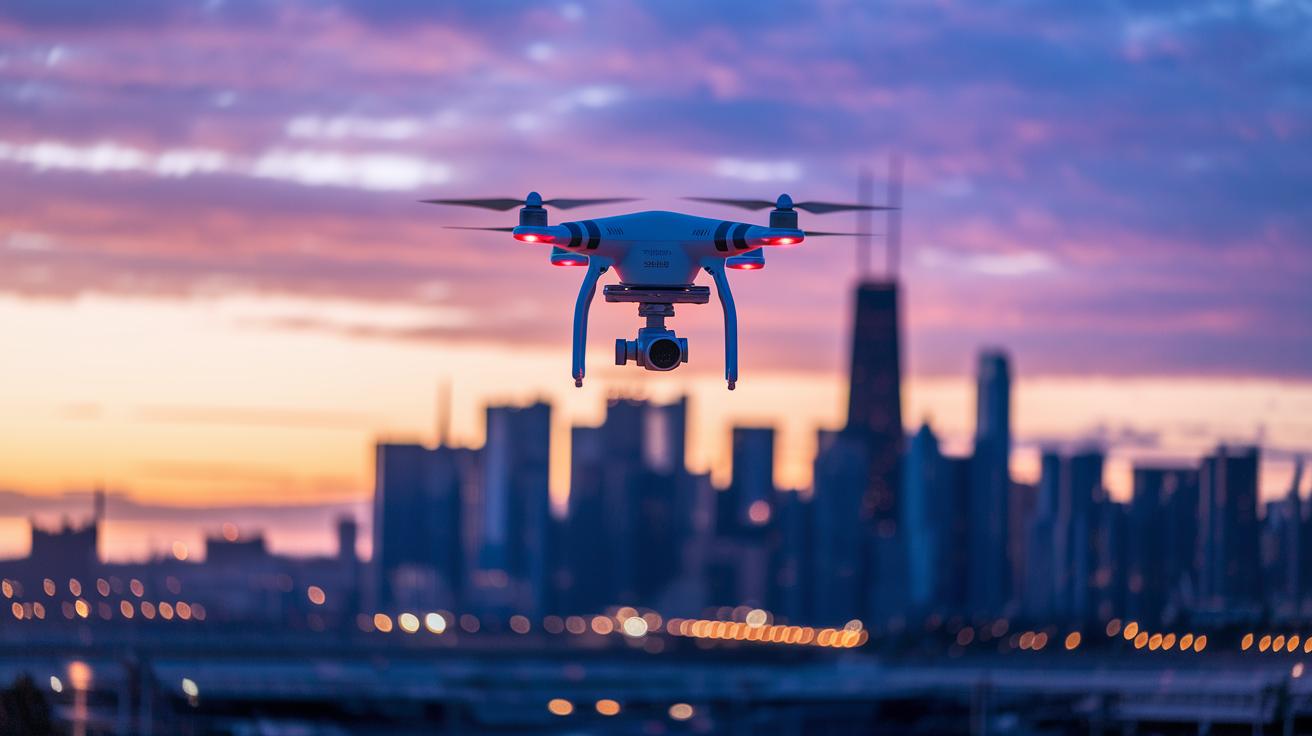
When we talk about 4K drone cameras, the sensor quality really grabs your attention. Take the DJI Mini 4K, for example, which sports a 1/1.3" sensor that captures true 4K at 60 fps. That means your slow-motion clips flow like liquid. Then you have models like the DJI Mini 5 Pro and EVO II Pro V3 that come with larger 1" sensors. This upgrade makes a huge difference in low-light situations, giving you clearer shots during twilight even as colors start to fade. Imagine filming a city skyline at dusk, the f/1.9 lens on the Mini 5 Pro can highlight every detail, turning an ordinary scene into something truly cinematic.
Next up, resolution and frame rate also play a big part. Standard 4K at 60 fps delivers crisp and fluid footage, but the EVO II Pro V3 goes even further by offering a 6K mode at 30 fps, while still providing a 4K option. This extra detail is great if you love capturing every little nuance. These cameras even use H.265 codecs, which compress high bitrate footage without skimping on quality. Some high-end models allow RAW capture too, so you can tweak your images later if you want that perfect shot. Plus, with smart dynamic light compensation, bright spots and deep shadows balance out nicely, making outdoor shoots look natural.
Ever wonder how these tech tweaks transform everyday moments into mini blockbusters? It all comes down to blending advanced sensor tech with clever video encoding that makes every frame pop.
4K vs 4K HDR in drone cameras
Standard 4K footage offers vibrant colors and crisp details, but when you switch to 4K HDR, there’s an extra punch of dynamic range. In plain language, while normal 4K works great for daily shooting, 4K HDR enhances both the brightest highlights and the deepest shadows for a more real and striking look.
When you're out in tricky lighting conditions, 4K HDR really shines by keeping brighter areas intact and pulling out more detail from the shadows.
| Model | Standard 4K | 4K HDR |
|---|---|---|
| DJI Mini 4K | Yes | No |
| DJI Mini 5 Pro | Yes | Yes |
| DJI Mavic 4 Pro | Yes | Yes |
Image stabilization and gimbal performance in 4K drone cameras
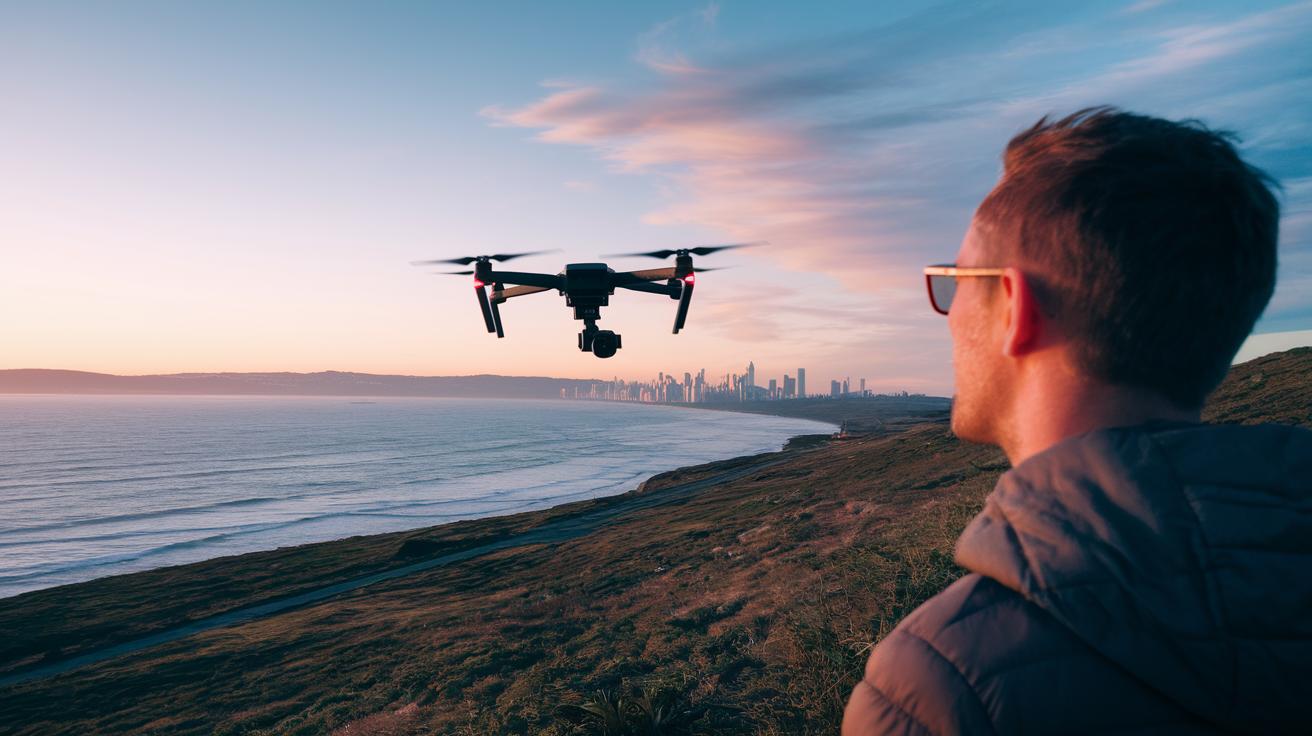
Modern 4K drone cameras now come with smart gimbal systems that keep your shots crystal clear, even when the wind is doing its thing. Take the DJI Mini 4K and Mini 5 Pro, for example; they rock three-axis gimbals that handle pan, tilt, and roll like a pro. Imagine catching a high-speed moment where every frame is steady, it feels like having a mini, on-the-fly studio rig in your pocket.
The DJI Air 3S is in the same league with its smooth three-axis setup, giving you shot after shot that flow effortlessly. And then there’s the Mavic 4 Pro with its Infinity Gimbal. Thanks to a full 360-degree rotation and a wider tilt range, it gets every angle with ease. Certified A2 pilots even swear by its sub-pixel stabilization, proving it can hold up when winds push the limits at 25 mph.
Here's a fun fact: even when it's blustery out, a drone with top-notch three-axis stabilization can deliver footage so smooth you’d think it was shot in a studio. This kind of performance makes modern gimbal tech a game-changer for anyone serious about getting that perfect, movie-like shot.
Budget-friendly vs professional-grade 4K drone cameras

Finding the right drone that fits your wallet while delivering eye-catching aerial shots can feel a bit tricky. For those just starting out or testing the waters, options like the Ryze Tello provide an affordable entry into the world of drone filming. It naturally records in 720p and ups the resolution to 4K, though that extra boost can sometimes look a little choppy if you're chasing perfect clarity. Another starter, the HoverAir X1 Pro, also offers 4K at 30 fps but might let you down with a shorter range during longer outdoor flights.
Mid-range drones really hit that sweet spot for many enthusiasts. Consider the DJI Mini 4K, which you can grab for under $800. It delivers bright and smooth 4K footage at 60 fps, making it a solid match for hobbyists and budding content creators. Sure, it lacks obstacle avoidance, but its compact design and punchy video quality make it the perfect everyday flyer, like having a mini cinema right in your pocket.
Step up to prosumer models like the DJI Mini 5 Pro and DJI Air 3S if you're looking for more advanced features. The Mini 5 Pro, complete with full obstacle sensing, comes in at about $999, while the Air 3S, a hit with travel vloggers, offers extra enhancements for around $1,299.
For serious enterprise needs, the Autel EVO II Dual 640T commands attention at about $3,500. Engineered for tough industrial inspections, it pairs thermal imaging with crisp 4K capture, ideal for those who need a robust tool to handle demanding tasks.
Flight modes and app integration for 4K drone cameras

Flying with a 4K drone camera is like having your own mini movie set. With models such as the DJI Mini 5 Pro and Mavic 4 Pro, you get handy automated features like Waypoints, ActiveTrack, and QuickShots that help you set up a perfect flight path and capture action automatically. QuickShots, for example, can turn a simple park flyover into a scene straight out of a movie with just a couple of taps.
The mobile apps are just as cool. Apps like DJI Fly and Autel Explorer give you a live 1080p HD view, so you see exactly what your drone sees. Along with a live feed, you get real-time stats like speed, altitude, and battery level. Plus, you can even adjust settings such as shutter speed, ISO, and white balance right from the app. Imagine creating your own custom flight profiles that let you hit that perfect shot every time, it's like having a portable film studio in your pocket.
- Automated modes: Waypoints, ActiveTrack, QuickShots
- Mobile apps with live HD feed and real-time telemetry
- Manual controls for shutter speed, ISO, and white balance
Every flight becomes a chance to capture stunning 4K footage with ease.
Final Words
In the action, we explored how 4k drone cameras offer true 4K UHD resolution, smooth three-axis stabilization, and intuitive flight modes for crisp aerial footage. Our examination of features like obstacle sensing and battery endurance shed light on what sets each model apart.
We've seen that 4k drone cameras cater to both budget-friendly and professional setups. Our deep dive into their technical specs shows how even minor differences can boost performance. Ultimately, 4k drone cameras keep our eyes on the sky shining, inviting you to capture breathtaking moments.
FAQ
What is the price range for 4K drone cameras?
The price range for 4K drone cameras spans from under $800 for entry-level models like the DJI Mini 4K to above $1,500 for advanced setups and professional-grade drones.
Which are the best 4K drone cameras, particularly from DJI?
The best 4K drone cameras include models like the DJI Mini 4K and DJI Mini 5 Pro, known for smooth stabilization, high resolution at 60 fps, and easy app integration, delivering great value across skill levels.
Are 4K cameras on drones good for professional photography?
A 4K camera on a drone provides broadcast-ready quality, capturing crisp details and smooth slow-motion footage, making them well-suited for professional photography and dynamic aerial shots.
How far can a 4K camera drone fly?
The flying range of a 4K camera drone varies by model, with many professional options offering extended distance capabilities through robust remote controls and enhanced signal stability.
Why did the US ban DJI drones?
The US banned DJI drones due to national security concerns revolving around data security and potential risks from sharing sensitive flight and geographic information with foreign entities.
Which 4K drone camera is best for beginners?
For beginners, models like the DJI Mini 4K or DJI Neo 2 Bundle provide an easy-to-use interface, solid 4K resolution, and lightweight design while ensuring quality performance for first-time users.
What does the DJI Mini 4K Fly More Combo include?
The DJI Mini 4K Fly More Combo includes a high-quality 4K drone, a remote controller setup, extra batteries, and essential accessories, offering comprehensive equipment for extended aerial filming sessions.
What are the ideal features of a professional 4K drone camera?
Professional 4K drone cameras typically feature high resolution at 60 fps, three-axis gimbals for stable shots, robust obstacle avoidance systems, and intuitive apps with live HD feeds for precise control.