

Ever wondered if reality TV is just a bunch of staged drama or if it shows us something real?
Reality TV dives into the everyday moments that surprise us with their raw, honest energy. It’s like watching a friend make bold moves and deal with unexpected challenges right in front of your eyes.
Each episode feels like a mini-adventure, full of spur-of-the-moment decisions and genuine reactions. And you know what? That mix of unplanned drama and true emotion is what really hooks us in.
Reality TV Shows Explained: Definition and Core Traits
Reality TV shows are all about catching true moments and genuine emotions as they happen. These programs mix competition, everyday life snapshots, and a bit of cultural commentary to mirror the trends we see around us. They bring everyday people into surprising situations where they face tough tasks or fun contests for prizes. Imagine the buzz when someone dives into a challenge and could win big.
Contestants on these shows take on challenges designed to push them beyond their usual comfort zones. Think of it like this: one moment they might be making a big, risky decision, and the next, they're just living their everyday lives. Moments like these give reality TV its unscripted charm, letting viewers feel a real connection to the cast.
Clever editing like short, heartfelt confessions and well-timed montages ramps up the drama and keeps things exciting. By focusing on real human interactions and raw emotions, these shows draw in audiences who crave honest, spontaneous storytelling. It's like getting an all-access pass to life as it unfolds.
What are reality tv shows: Simply Fascinating

Reality TV is all about catching real, unfiltered moments that let you feel the raw energy of life. Cast members chat directly to the camera, sharing their personal struggles and heartfelt confessions, like when a contestant admits feeling completely overwhelmed during an elimination challenge. It's as if you're right there, experiencing every emotion alongside them.
The magic behind these shows lies in how the clips are put together. Little snippets of conflict and triumph come together through clever editing to create a story that's both intense and unpredictable. Ever noticed how sudden cuts and gripping camera angles make even a small conversation feel like an epic moment? And when votes or eliminations are done in real time, it adds a layer of suspense that keeps you guessing what will happen next.
Trailblazing series like The Real World mixed diverse cast members and pushed topics like race and sexuality into the spotlight. Their fresh approach to confessionals and storytelling turned everyday life into a captivating journey that still influences today's reality TV scene.
Popular Reality TV Show Formats and Examples
Reality TV shows come in many different flavors that mix the thrill of competition with the everyday drama we all love. Some episodes throw contestants into tough challenges where they build alliances under pressure, while others spotlight creative passions and personal makeovers. It’s like being part of a secret club where live voting, hushed behind-the-scenes chats, and jaw-dropping eliminations turn every episode into a must-see event. Have you ever felt that rush when a contestant is suddenly sent home and viewer votes spike like a buzzer-beater in a tight game?
Below is an HTML table listing six influential shows that reshaped the competitive TV scene. Each one, whether it’s a survival challenge or a peek into celebrity lifestyles, brings its own twist that has captivated both fans and contestants.
| Show | Format Type | First Aired | Notable Impact |
|---|---|---|---|
| Survivor | Survival Competition | 2000 | Alliances & Strategy |
| American Idol | Talent Competition | 2002 | Music Careers |
| The Real World | Social Experiment | 1992 | Confessional Reality |
| Keeping Up with the Kardashians | Celebrity Lifestyle | 2007 | Social Media Influence |
| RuPaul’s Drag Race | Drag Competition | 2009 | LGBTQ+ Visibility |
| Big Brother | Social Strategy | 2000 | 24/7 Surveillance |
Each of these shows gives us a peek into human behavior and the raw drive of competitive spirit. Their innovative twists have paved the way for spin-offs and international editions, proving that this mix of classic competition and real-life storytelling still grabs viewers around the world.
Evolution of Reality TV Shows Over Time
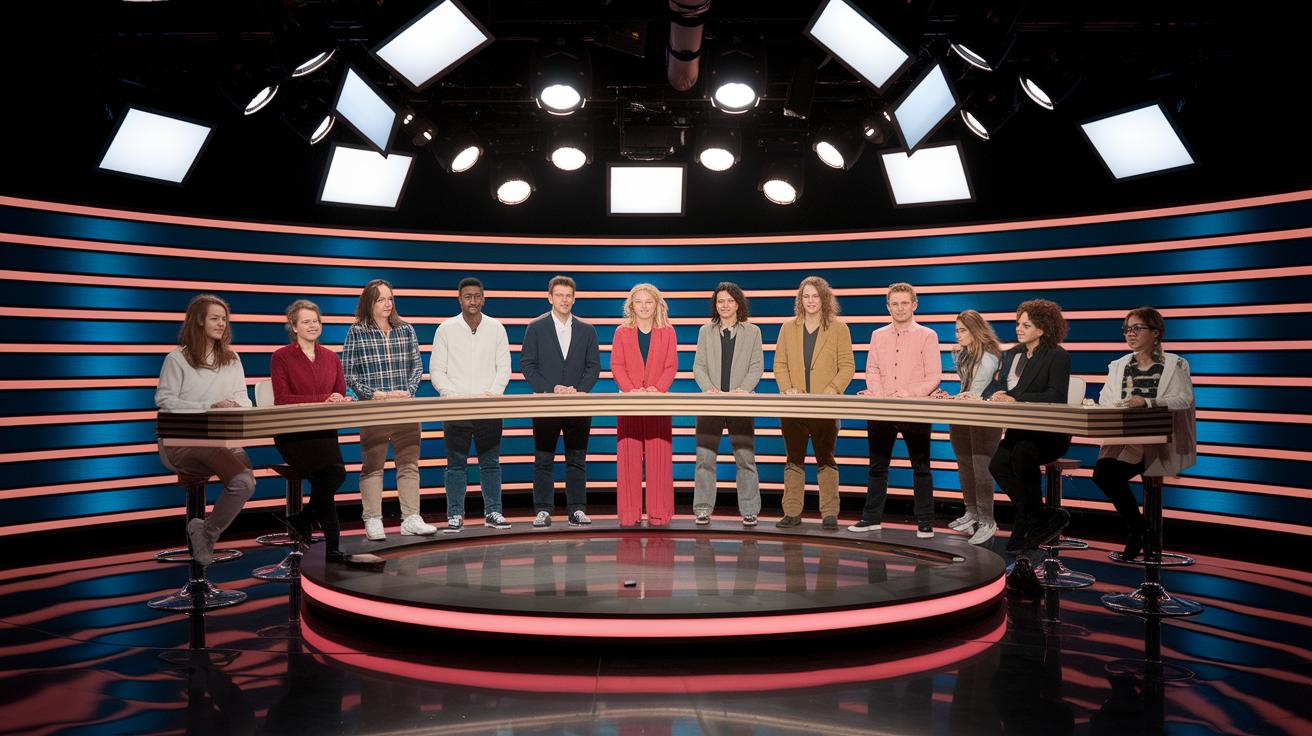
Reality TV started small with basic talent contests, and over time it blossomed into a mix of shows that put everyday people in the spotlight. Those early programs captured our imagination and set the stage for fresh, unscripted entertainment.
Soon, producers began mixing simple contests with real-life drama and cultural insights, creating a blend that felt both exciting and relatable. One standout moment was when ordinary challenges became full-on spectacles, inviting us to spot rising stars and cheer on our favorites.
This journey isn’t just about slick production tricks, it shows how reality TV has evolved into a genre that sparks global conversations and vibrant online communities. Each new twist, from clever game strategies to heartfelt family moments and digital innovations, has added depth and fun to what we watch.
Here is a quick look at some major milestones:
| Year | Milestone |
|---|---|
| 1983 | Star Search – the first big televised talent contest |
| 1992 | The Real World – introduced the idea of strangers living together |
| 2000 | Survivor – brought strategic alliances into play |
| 2002 | America’s Next Top Model – launched a global franchise with its signature “smizing” style |
| 2007 | Keeping Up with the Kardashians – redefined the celebrity family docu-series |
| 2015 | Love Island – kicked off an international dating format with global spin-offs |
| 2020s | Streaming originals like Netflix’s The Circle and interactive specials – reshaped the landscape |
Every milestone has added a new layer to the mix, proving that reality TV still has the power to surprise, engage, and shape our viewing experiences today.
Cultural Impact and Audience Engagement in Reality TV Shows
Reality TV has totally flipped popular culture. It sparks trends and turns viewers into active fans instead of just sitting back. You often see hashtags like #KUWTK and live Twitter votes, making the experience super interactive. Shows like RuPaul’s Drag Race and Queer Eye not only bring fun and excitement but also boost LGBTQ+ representation by taking social media into their world. One fan even shared, "Watching RuPaul’s Drag Race live makes me feel seen!" and you can really feel that genuine connection.
Franchises such as The Real Housewives go beyond the TV screen to shape fashion and everyday style. Think about how one episode can set off a wave of outfit copies all over Instagram and Facebook. Interactive segments and live polls mix on-air drama with online chatter, letting viewers help steer the story. Imagine a scene where a live poll determines the outcome of an intense moment on screen. It makes every opinion count and gives fans a real sense of influence.
These shows have built tight-knit communities that celebrate every twist and turn. The buzz they create often spills over into daily conversations, proving that reality TV plays a big role in shaping trends and sparking cultural chats.
Behind-the-Scenes Production and Ethics in Reality TV Shows

Reality TV is all about drama, and the editing plays a huge part in that. Producers often reshoot scenes or even set up events to boost the excitement. For instance, they might film a contestant's breakdown again just to capture every tear and gasp. This kind of tweaking leaves everyone wondering what’s really real and what’s just made for show.
Contestants sometimes feel like they have no say in how they're shown on screen. When shows use actors to fill in story gaps or shift focus away from a person’s true self, it can make participants feel misrepresented. This loss of control over their own image raises serious questions about how the producers handle ethics and care for the cast's mental health. Critics say the mix of real stories and set-up drama can sometimes go too far.
Big controversies have come up because of these practices, stirring up debates among media watchers and fans alike. People are asking if reality can ever be real when so much is arranged behind the scenes. The clash between what is genuine and what is produced keeps the discussion about the art and ethics of reality TV very much alive.
Future Trends in Reality TV Shows: Streaming and Interactivity
The switch to streaming has really turned the tables on reality TV. New competitions that only exist on platforms like Netflix, such as The Circle, bring a lively mix of online interactivity and raw, unscripted drama. It's like watching your favorite show and getting to choose how it ends, exciting, right?
Now, picture this: shows that blend gaming and reality formats, streaming live on platforms like Twitch that invite you to jump into the action. It's a far cry from the old days of fixed TV schedules. Suddenly, you're not just sitting back; you're part of the story.
What's more, the lines between traditional TV and digital media are blurring. Imagine tuning in on your TV and then jumping onto an app where live polls spark real-time conversations. It's a fresh way to get hands-on with your favorite programs.
And here's the kicker, these trends aren't just happening locally. Expect to see more global spin-offs that mix regional flavors with high-energy competitions, all tailored for a tech-savvy audience. These digital twists mean reality TV is evolving into something interactive and custom-fit just for you.
So, what's next for this vibrant format? It’s hard not to get excited thinking about it. Stay tuned, friends.
Final Words
In the action, reality TV shows grab our attention with raw drama, memorable tasks, and a peek into behind-the-scenes production. We explored how these shows are built, mixing real-life challenges, candid interviews, and clever editing to create moments that stick. Our overview showed the impact on pop culture, from early social experiments to today’s streaming surprises. Now, you have a clear look at what are reality tv shows, setting the stage for more lively chats and a deeper connection to the ever-changing world of entertainment.
FAQ
What are reality TV shows on Netflix and elsewhere?
The reality TV shows on Netflix and beyond mix unscripted moments with real-life drama, showcasing genuine conflicts, candid interviews, and competitions that capture everyday experiences in a fresh way.
What is considered a reality show and what makes one?
A reality show is defined by its unscripted nature, featuring real people in genuine situations, confessional interviews, and tasks or competitions that reveal everyday adventures without a set script.
What are some popular examples of reality TV shows, including competition, drama, and celebrity formats?
Popular examples include Survivor for survival challenges, Keeping Up with the Kardashians for celebrity lifestyle, and American Idol for talent competitions. They illustrate diverse styles from contest-driven to drama-focused formats.
What was the first reality show in the ’90s?
The first major reality show from the ’90s is best represented by The Real World, which launched in 1992 and introduced audiences to genuine interactions and confessional storytelling.
Are reality shows real or scripted?
Reality shows are mostly unscripted, showcasing real moments, but they often use careful editing and sometimes staged scenarios to heighten the drama and overall entertainment.
What future trends can we expect for reality TV shows in 2025?
Reality TV in 2025 is likely to feature more streaming exclusives, interactive elements like live voting, and digital engagement that brings viewers closer to the action in new, immersive formats.
Is there a list of top reality TV shows available?
Lists like the top 50 reality TV shows highlight series that span competition, celebrity life, and authentic drama, showing how various formats have shaped the genre and pop culture over time.