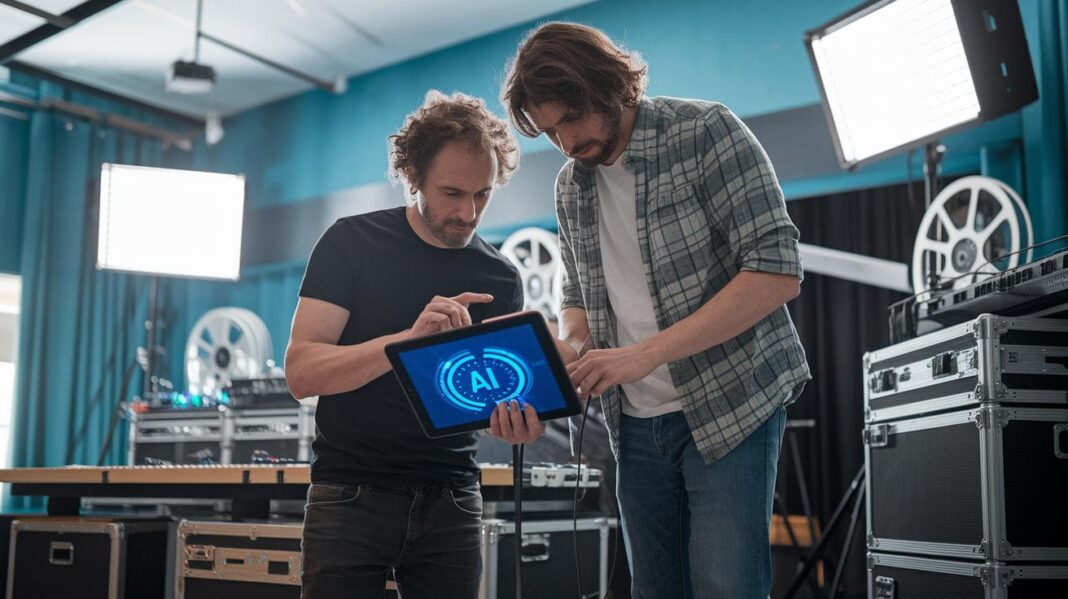

Ever wondered if a computer could score your favorite movie? Today, AI pairs modern tech with timeless techniques, mixing digital magic with classic film vibes. Think back to silent movies, when live music made every scene feel special. Now, AI tools whip up cool soundtracks and tidy up visual effects in a flash.
This change isn't just about speeding up production. It gives filmmakers more room to experiment and push creative boundaries. And the best part? AI is reshaping storytelling and production, setting the stage for a future where tech and art blend in fresh, unexpected ways.
ai applications in film and music: Inspiring Innovation
It's pretty wild how AI is shaking up film and TV soundtracks these days. With cool tools like SOUNDRAW that whip up unique scores by sifting through tons of musical data, filmmakers can get creative results quickly and on a budget. Remember when silent films back in the late 1920s relied on live music to bring the story to life? That historical twist now mixes with today’s tech magic to truly change the game.
AI isn't just about the music either, it’s making the whole movie-making process smoother. Filmmakers are using smart neural networks to perfect visual effects, keeping every shot consistent and visually striking. And when it comes to creating catchy tunes, AI steps in to save the day, cutting out the need for long, expensive orchestral sessions. This shift means even independent filmmakers with tight budgets can now create blockbuster-level productions.
The creative potential is huge. Think about the way legendary composers like John Williams and Hans Zimmer have moved us with their scores; now, AI is joining in, adjusting music in real time as scenes unfold. With film budgets always under pressure, these innovative tools offer a budget-friendly way to produce top-notch quality. For a deeper dive into how old-school filmmaking is being reimagined with new tech, check out the AI in Entertainment Overview.
In short, combining classic techniques with modern technology is pushing film and music production to brand new, exciting heights.
AI-Driven Visual Effects and Post-Production in Film
AI is shaking up film post-production, turning tasks that once took hours into ones that take just minutes. Imagine a digital magic touch that fine-tunes lighting, motion blur, and every little detail like a tireless makeup artist.
Neural networks are the secret behind these dazzling effects. They tweak scenes with the finesse of a seasoned pro, optimizing rendering and breathing life into visuals so intricate you feel like you're right there. Ever been mesmerized by the sparkle of stage lights in your favorite movie? That’s the kind of vibe we're talking about.
Video editing has also come a long way. AI now handles repetitive cuts and transitions, freeing up filmmakers to focus on crafting a great story. For example, back on October 30, 2025, a quick demo revealed how AI could match color tones across hundreds of shots. In just minutes, the software managed a seamless look that echoed a cinematographer's unique vision.
Digital compositing is getting a boost too. New AI techniques blend CGI with live footage effortlessly, making complex image layering a walk in the park. Plus, some smart tools combine text-to-video with beat-synced edits to create lively scene transitions that keep the audience hooked. In truth, this technology speeds up production while elevating the overall visual story, letting filmmakers dive into the creative process with even more passion.
Automated Music Creation and Score Development with AI
AI is really shaking up how film soundtracks are made. Digital score synthesis now creates entire orchestral arrangements even without a live band in the studio. And get this – machine learning adjusts the music on the fly as scenes change, so every emotional beat lands just right. Remember that time a director needed a spooky string section in seconds? An automated system whipped up a custom loop super fast, skipping the long studio sessions.
Tools like SOUNDRAW are at the forefront of this tech wave. They study music patterns to figure out the right mood, tempo, and instruments for each moment. This approach lets filmmakers create custom loops quickly, while the digital score synthesizer delivers rich, cinematic sounds that used to need an entire orchestra. It’s a simple way to build layered soundscapes that capture a scene’s full vibe without the usual hassle of live coordination.
Even the final touches get a boost. Machine learning in audio mastering tweaks each score, balancing levels and smoothing out frequencies. This smart process cuts down traditional studio time by up to 60%, which is a total game changer for projects with tight budgets and even tighter deadlines. It frees creative teams to focus on the visuals without losing any sound quality.
By blending creative flair with precise tech, these AI platforms give filmmakers the freedom to experiment and produce top-notch tracks in record time. The result is a smooth mix of art and technology that powers up every scene with a custom-made score.
AI-Powered Scriptwriting and Pre-Production Tools in Film

AI is shaking up the early days of making movies in really cool ways. These smart language models can whip up draft scripts by looking at classic movie ideas, and it's pretty amazing. Remember when writing a draft meant weeks of brainstorming and endless edits? Now, it’s done in minutes, letting writers and producers play with different ideas without getting stuck on the basics.
And it gets even better. Tools that check story structure now spot plot holes and pacing problems like a friendly sidekick. They help filmmakers see exactly where a script might need a bit of a fix or a surprising new twist, kind of like having a thoughtful editor right there with you.
Then there are AI-powered storyboard tools that turn written scenes into visual panels in no time. Directors can see their vision come alive super quickly without waiting for hand-drawn sketches. Plus, AI helps organize production schedules by lining up location details, cast availability, and budget bits, making planning a breeze.
- AI-driven scriptwriting generation
- Detailed narrative structure analysis
- Helpful storyline crafting
- Fast storyboard creation tools
Each of these innovations not only speeds up the process but also opens up creative doors for filmmakers looking to add both precision and a touch of artistic magic to their projects.
AI-Enhanced Marketing, Distribution, and Audience Analysis for Film and Music
AI is totally shaking up how film and music get marketed and spread out. With smart, data-driven tools, marketers now dive into streaming trends and social chatter to craft promos that really click with each crowd. It’s like having a backstage pass to what viewers want!
Breaking huge audiences into smaller, meaningful groups is changing the game. Creators and marketing teams can now match content to different tastes, which ramps up interest and engagement. Studios even look back at past box-office numbers and film genres to predict success, often nailing it within about a 5% margin. Imagine knowing the perfect moment to drop your movie! Plus, using sentiment checks on trailers helps them fine-tune messaging based on the real pulse of fans.
What’s really cool is how content delivery now works like a live performance. Release dates and platform spots are tweaked in real time based on how audiences react. With all this data, film and music producers aren’t just chasing bigger ticket sales, they’re building a genuine connection with their crowd. By blending deep audience insights into every marketing move, campaigns become more effective and enjoyable for everyone involved.
Real-World Case Studies of AI in Film and Music

AI is really shaking things up for movies and music these days. Take SOUNDRAW, for example, an indie filmmaker trimmed score costs by 70% thanks to smart algorithms, turning a tight budget into a playground for creativity.
A studio even ran a test on November 10, 2025, where AI-made promotional trailers cut editing time by 80%. Imagine finishing your trailer edits in almost no time! It frees up filmmakers to focus on other parts of their projects and eases the pressure of tight release schedules.
Then there’s the magic of virtual instrument modeling techniques. Filmmakers can now recreate rare orchestral textures for less than $1,000. Instead of hiring a full orchestra, they get high-quality, digital sounds that lift the production value.
AI isn’t stopping there. Trend analysis for musical innovation is helping composers discover fresh, cross-genre beats by scanning huge amounts of data. This means both filmmakers and music producers can blend modern vibes with classic sounds for the perfect score.
Here’s a quick look at the standout techniques:
| Key Technique | Description |
|---|---|
| ai generated promotional trailers | Creates trailers quickly, slashing editing time significantly. |
| virtual instrument modeling techniques | Digitally replicates live instruments for rich, orchestral sounds. |
| trend analysis for musical innovation | Uses AI to find fresh, cross-genre beats and trends in music. |
| experimental audio methodologies | Layers unique audio elements to elevate overall sound quality. |
Each case shows how AI is stretching creative boundaries and boosting production efficiency, making it a game changer for projects of every size.
Ethical Considerations and Challenges of AI in Film and Music
Lately, many guild members have been raising concerns about the unauthorized digital use of actors' images. They worry that deepfake technology might be used to change performances without getting an artist's permission. This debate shines a light on how important it is to protect a performer's identity as AI becomes a bigger part of film and music work.
Another popular issue is how automatic moderation of music and film clips can sometimes go too far. These tools are meant to keep problematic content in check but can also block creative work by mistake. This mix-up leads to questions about fairness and freedom of expression for artists.
In response, new deepfake detection tools are being developed as a possible fix. But honestly, they're not perfect yet, they can be slow and might miss some misuse in real time. This brings up a classic challenge: how do we blend smart algorithms with true human creativity? Filmmakers and music makers are actively searching for ways to add AI into their projects without losing the unique touch of an artist's voice.
- Automated moderation of audiovisual content
- Deepfake detection algorithms
- Algorithmic creative process design
Future Trends in AI Applications for Film and Music

Imagine a world where digital art creates vibrant, moving backgrounds on its own. In the next ten years, AI tools will whip up entire set designs in a snap, drastically cutting down on production time. Fun fact: a recent test showed an AI-made backdrop was finished in minutes and looked just as good as handcrafted sets. Can you believe it?
Next, there’s immersive narrative design. AI can mix virtual reality scenes with clever story beats, pulling you deeper into films and music videos. Picture a VR adventure where every scene adapts as you move around, syncing perfectly with the unfolding story. It’s like watching your favorite movie come alive around you.
Then, think about production scheduling with a smart twist. By checking out data on locations, cast schedules, and even the weather, AI can fine-tune shooting plans and cut expenses by about 15%. All you do is enter your details, and the software adjusts your calendar like a top-notch personal assistant.
Finally, immersive sound design is stepping up the game. Imagine sitting in a theater where the sound changes based on your seat or device, creating a unique audio experience just for you. The sound shifts with the mood on screen, drawing you even deeper into the moment. With these exciting advancements, AI is not just changing how films and music are made, it’s making them more personal and engaging than ever before.
Final Words
In the action, this post walked us through AI transforming film and music, from scriptwriting and visual effects to marketing and ethical debates. It outlined case studies, tool basics, and futuristic trends that illustrate changing creative processes.
The discussion shows how ai applications in film and music fuel faster production and deeper creative insight. It leaves us excited about the bright future these innovations promise.
FAQ
Q: What are AI applications in film and music?
A: The use of AI applications in film and music involves automating visual effects, creating scores, and streamlining post-production processes. AI tools improve speed, cut costs, and offer fresh creative approaches for filmmakers and composers.
Q: How does an AI film score generator work?
A: An AI film score generator uses machine learning to craft musical scores tailored to specific scenes. It quickly generates compositions that match mood, tempo, and instrumentation, replacing longer traditional scoring sessions.
Q: How is AI used in the film industry and entertainment?
A: AI in film automates key tasks like visual editing, color grading, script drafting, and audience analysis. Digital tools help filmmakers speed up production while maintaining visual quality and narrative consistency.
Q: What are the dangers of AI in the film industry?
A: The dangers of AI include issues with deepfake technology, unauthorized use of actor likenesses, and potential biases in automated content moderation. Balancing creative control with these digital tools is an ongoing challenge.
Q: What is the 30% rule in AI?
A: The 30% rule in AI suggests that AI tools can reduce production time or costs by around 30%, allowing creators to focus more on creative tasks while benefitting from faster, more efficient processes.
Q: What does Steven Spielberg think of AI?
A: Steven Spielberg sees AI as a valuable tool that expands creative possibilities in filmmaking while urging caution to ensure that human storytelling remains at the heart of cinema.