

Ever wondered if a computer could really steal the spotlight as a performer? AI is shaking up movie sets with neat tricks that keep scenes on track and add cool, eye-catching effects.
Some say that digital doubles and automated tweaks might someday challenge traditional acting. But, honestly, nothing beats the connection and deep emotion that only a live actor can bring.
Even as tech speeds up film production, there’s still something magical about a live performance, it’s that human touch we all love. So, is AI here to boost creativity, or could it end up taking the stage from real actors?
Assessing if AI Will Replace Actors
AI in Hollywood is sparking a lot of conversation as new tools change how movies are made. Recently, chats with folks from OpenAI have raised the question: Can AI step in as an actor or just support the process? Some critics say that although AI can whip up scripts and even create digital doubles using techniques that capture real-life details, it just can’t deliver the deep emotions that come from years of personal experience.
Producers are excited about the extra speed and cool visual effects AI brings. They’re saying that tools like ChatGPT can help with writing scripts, and digital doubles can handle tricky stunts. But they all agree that nothing beats the spark and soul of a real human actor. After all, every famous actor has earned their stripes through live shows and personal challenges, experiences that no machine can copy.
Key points in the debate include:
- Real emotional depth from living through experiences
- Spontaneous creativity that can change a scene in an instant
- Strong, lasting connections with the audience
Many critics believe that the fear of AI completely replacing actors is overblown. Instead, they see AI as a tool that fine-tunes certain parts of movie-making while keeping the heart and spirit of performance alive. Even with all these digital upgrades, the unique mix of empathy, creativity, and personal history in human actors is still key to telling a great story.
Will AI Replace Actors: Shaping Creative Entertainment
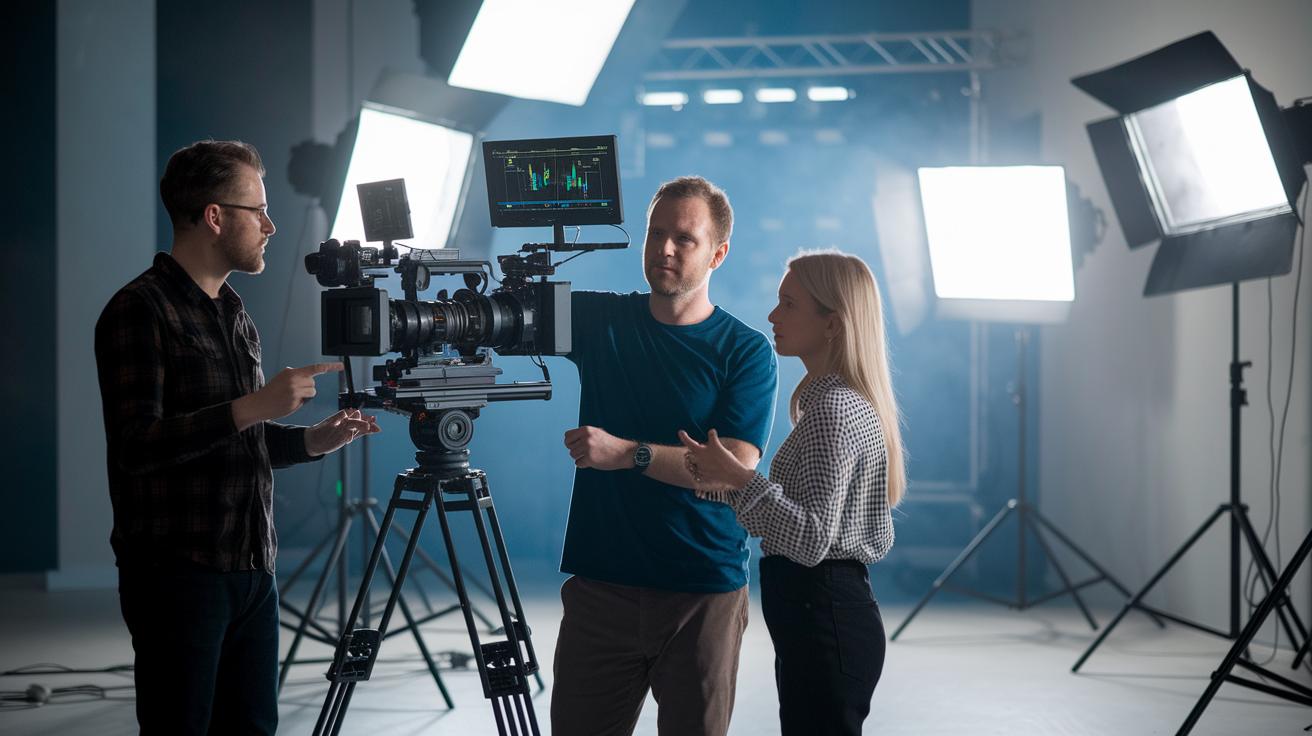
Imagine a world where self-taped auditions and digital stunt doubles are the new norm. AI is shaking up film production in a big way. One cool breakthrough? The Veo 3 image-in update. It uses reference stills to keep a character’s look steady across all scenes. Before this, filmmakers had to reshoot scenes just to fix continuity issues. Now, thanks to AI, that hassle is almost a thing of the past.
Studios are also trying out fresh AI tricks like automated script development using tools a lot like ChatGPT. This tech speeds things up, letting creative teams spin up story ideas faster than ever. And get this, AI-generated voices mean actors can self-tape without needing someone to read for them, making casting submissions a breeze.
Plus, photogrammetry-based digital actor doubles are stepping in for those risky or complicated scenes, keeping everyone safe while still delivering top-notch visuals. This is just one part of a larger wave of AI innovations in movies and music. It’s all about powerful new tools joining forces with human talent to keep our entertainment scene vibrant and ever-changing.
Limitations of AI in Replacing Human Actors
AI can show basic feelings, but true emotion comes from real memories and life experiences. Studies say that audiences love genuine, heartfelt performances more than slick, digital expressions. Fun fact: Before breaking into stardom, many actors wowed crowds with spontaneous ad-libs during live shows, quirky moments that no computer can whip up.
Human actors bring real-life vibes to their roles. They tap into bittersweet memories and on-the-spot instincts that make scenes hit home, something a programmed reply just can’t match.
When it comes to thinking on their feet, humans truly shine. During live shows or unexpected changes on set, actors quickly tweak their lines and actions, keeping things fresh and unpredictable. Research shows that improvised dialogue feels more real and engaging to audiences.
There’s a special bond when a performer truly connects with the audience. A movie that captures honest laughter or genuine tears resonates on a personal level, quite different from machine-made expressions. For more on how tech falls short in showing real emotion, check out this piece on pop culture and technology.
Seasoned actors spend years honing their skills through ups and downs. Their quick, instinctive reactions, shaped by both wins and mistakes, offer a human touch that no algorithm can ever replace.
Impact of AI on Acting Careers and Industry Dynamics

AI is shaking things up in the acting scene in ways that feel both exciting and a bit nerve-wracking. It turns out that some experts worry nearly 20% of commercial acting income might dip as AI tools get smarter. Actors now find themselves doing self-taped auditions using AI voices instead of having a real person read the lines. It's sparking talks about job security and whether a live performance can ever be truly replaced.
At the same time, new opportunities are popping up. Performers can now earn extra cash through voice cloning and similar tech-enabled gigs, and virtual self-taping means auditioning could be faster and less costly. Sure, these digital tools make things smoother, but they aren't seen as a substitute for the spark that comes from real human talent. After all, nothing beats the feel of a live performance, right?
There's also a growing trend toward mixing old-school acting with new technology. Casting directors and production teams are experimenting with using AI as a behind-the-scenes helper. Many insiders believe this trend could really empower actors by combining the efficiency of tech with the unique touch of human emotion. It’s like blending a high-speed train with a handcrafted melody, each element brings its own magic.
In truth, the goal is to boost creativity while keeping actors at the heart of storytelling. Digital tools are meant to support and enhance the art of performance, not take over completely. Have you ever felt that rush of watching a live show, knowing there’s nothing like real emotion on stage? That’s the core of what acting is all about, and it looks like technology is here to help, not steal the spotlight.
Ethical and Legal Debates on AI-Driven Casting and Performance
Hollywood is buzzing with talks about using artificial intelligence for movie casting. Folks at meetings with tech leaders like OpenAI have been chatting about everything from actor rights and royalties to whether AI should use an actor’s image. Experts remind us that clear permission is a must every time a digital copy of an actor is made. Without honesty about these practices, critics say audiences might end up supporting shows or movies that are partly created by computers, which can really shake the trust viewers have in true artistic expression. For a deeper look at this shift in how we see pop culture today, check out pop culture in the digital age.
Actors and studios now face big questions about copying human talent digitally. Many in the industry argue that our laws need to catch up with rapid tech changes, especially when it comes to getting clear consent and defining usage rights. At the same time, there’s a real worry whether these digital casting methods respect the craft of acting itself. In truth, this ongoing debate highlights the tricky balance between embracing innovation and honoring the human element in film. The call is clear: the industry needs to come up with solutions that are as fair and transparent as they are cutting-edge.
Future Balance: Blending AI with Human Acting for Innovative Storytelling
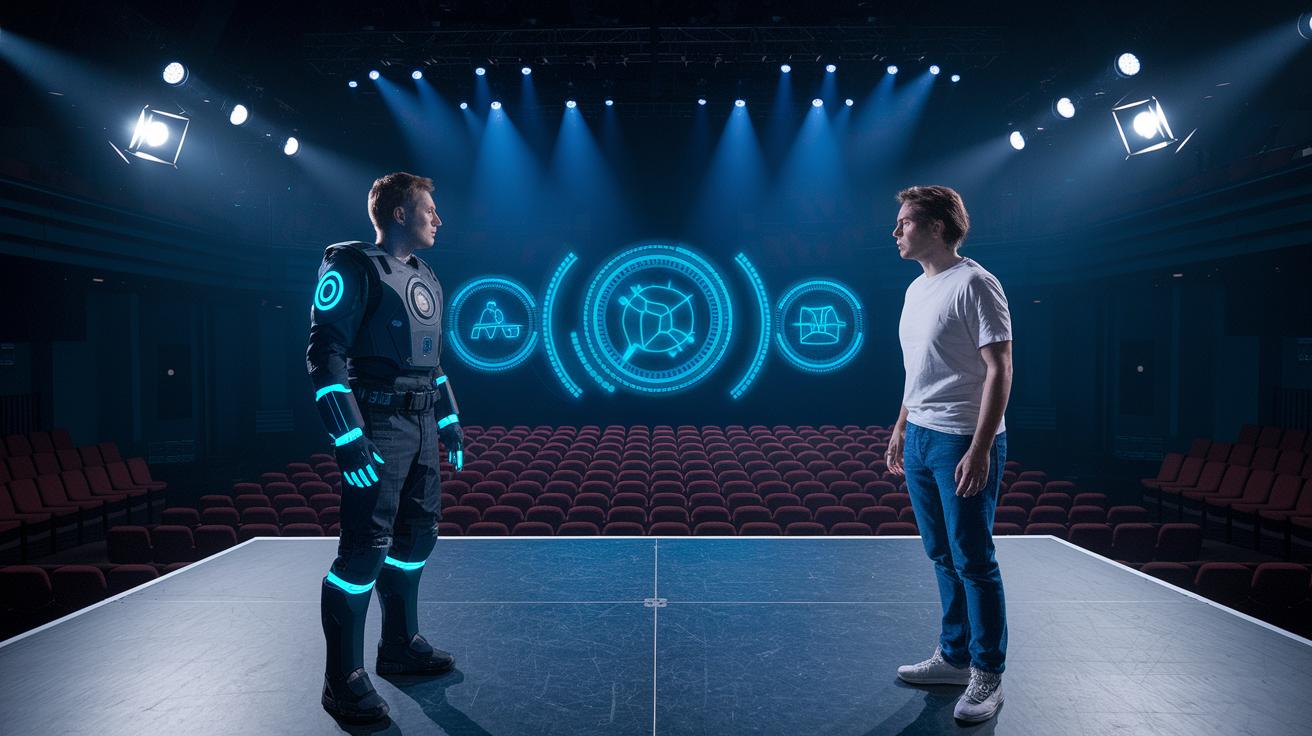
Imagine a world where AI teams up with actors in totally creative ways. An actor might wear a costume with sensors that offer little tips, like, "Maybe try a softer tone here, like a quiet whisper." It’s like having a smart friend helping fine-tune each moment.
New tech is shaking up rehearsals too. Actors can now work in virtual spaces that change on the fly with their mood. Sensors catch how you feel and the AI steps in with timing tips and cue adjustments. It’s an exciting mix of gutsy performance and cutting-edge feedback.
- Hybrid setups mix live acting with smart, on-the-spot AI cues.
- Sensor-powered coaching sharpens each stage moment as it happens.
- Immersive virtual spaces let actors practice complex scenes in fresh ways.
This blend of classic acting and modern tech is opening up new artistic paths while keeping that authentic human spark at the heart of storytelling.
Final Words
In the action, we saw how tech is reshaping storytelling while still leaving room for human spark. The discussion on will ai replace actors took us through debates on ethical concerns and the irreplaceable emotional touch that real actors bring. Cutting-edge AI drives efficiency in film, yet its current role remains supportive, not a substitute for skilled performers. The industry leans toward a hybrid approach that fuses digital innovation with heartfelt performances. It’s a brave and exciting glimpse into a future where both can thrive together.
FAQ
Will AI replace actors, including discussions from Reddit and future prospects for actors?
The discussion on AI replacing actors shows that while technology can boost effects and efficiency, human performers bring emotional depth and creativity that AI can’t replicate fully.
Will AI replace doctors?
The conversation on AI in medicine indicates that AI can support diagnosis and data analysis, but it can’t offer the empathetic care and nuanced judgment that human doctors provide.
Will AI replace models?
The debate over AI and modeling reveals that while AI can simulate appearances, real models contribute unique personality and presence that digital images can’t fully capture.
Will AI replace lawyers?
The view on AI in law shows that although AI can automate routine tasks, it can’t substitute the critical thinking and personal advocacy that human lawyers bring to the table.
Will AI replace teachers?
The idea of AI replacing teachers reflects that while AI tools can support educational tasks, they cannot replace the personal mentorship and adaptable guidance provided by educators.
Will AI replace accountants?
The topic of AI in accounting suggests that although AI can handle many routine calculations and data processing, human accountants remain key for detailed analysis and complex financial decisions.
Will AI replace screenwriters?
The discussion on AI and screenwriting indicates that while AI can generate ideas and draft content, it lacks the personal creativity and cultural insight that human screenwriters offer.
What jobs will AI not replace?
The evaluation of AI’s impact on jobs shows that roles needing deep human connection, creative thinking, and ethical decision-making are less likely to be entirely taken over by machines.
What is the 30% rule in AI?
The explanation of the 30% rule in AI suggests that about 30% of certain tasks may be automated, balancing efficient processing with essential human oversight and creative input.
Will AI truly replace artists?
The discussion on AI replacing artists highlights that while digital tools can mimic artistic styles, they cannot capture the genuine emotion and personal expression that human artists deliver.