

Ever noticed how one headline can turn a quiet disagreement into a full-blown celeb clash? It's wild how the media takes even a small quip and spins it into a mess that fans just can't stop talking about.
Remember that fuss between Taylor Swift and Kanye West? It started off as a private spat but then blew up into a story everyone was buzzing about.
Today, let's chat about how the media grabs tiny sparks and fans them into blazing stories that shape how we see celebrity feuds.
How Media Shapes and Escalates Hollywood Celebrity Feuds
Media outlets have a knack for turning private feuds among stars into epic public dramas. You know how headlines can cast a celeb as either a beloved hero or a notorious troublemaker? Remember when Taylor Swift and Kanye West clashed back in 2009? Headlines made Swift the underdog and Kanye the unpredictable instigator, and that kind of twist sure draws us in.
It isn’t a new trick at all. Media has always played a big role in shaping what we think about celebrities. Take the classic example of Orson Welles and the powerful publisher William Randolph Hearst during the Citizen Kane days. Hearst tried hard to keep the film quiet, but in doing so, he only shined a spotlight on the fight between creative art and big corporate power. That early stunt paved the way for how today's media handles celebrity spats.
These days, sites like Twitter and Instagram can turn even a casual remark into an overnight sensation. One tweet or post can spark a global debate, and fans end up dissecting every little word, making the drama even bigger than it was to start with.
In truth, this never-ending buzz means that even small disagreements can blow up into major cultural events. By constantly replaying the drama and packing in every sensational detail, entertainment outlets keep our eyes glued to the unfolding conflict and, at the same time, fuel the rift among celebrities.
Historical Hollywood Celebrity Feuds Fueled by Media
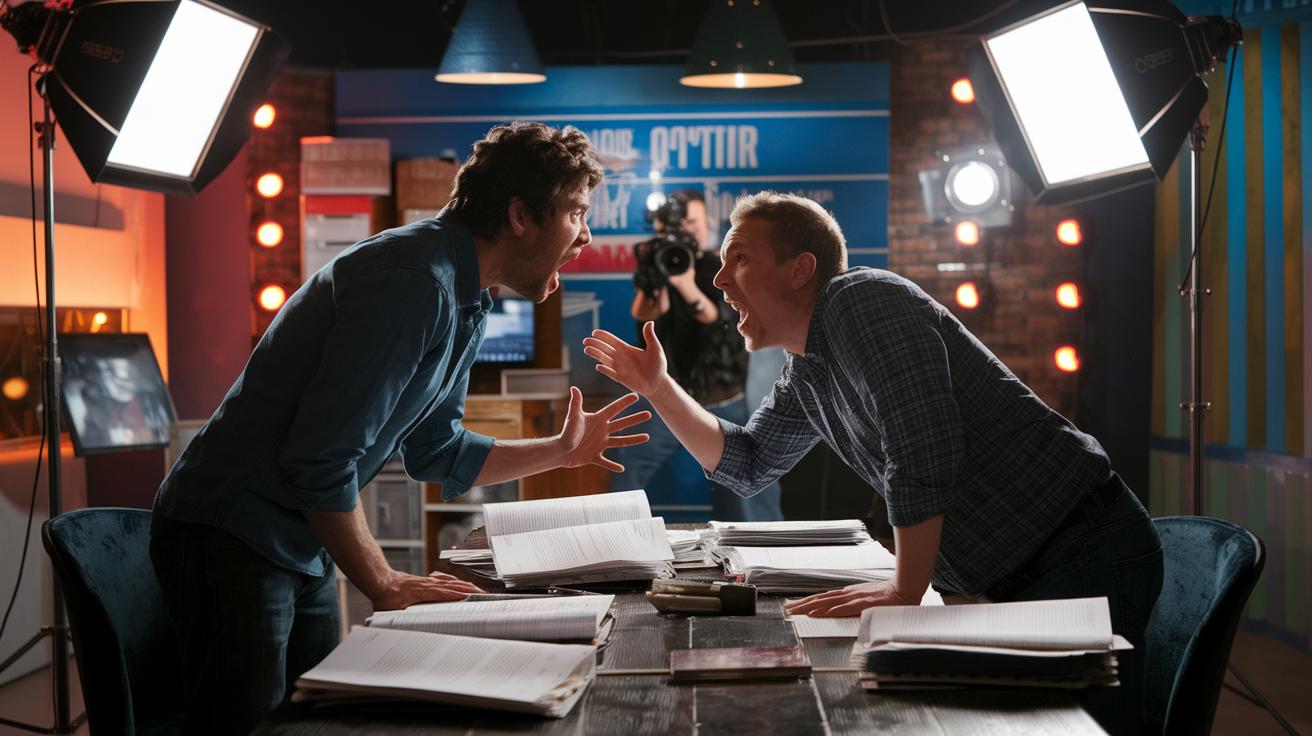
Back in the day, the media loved turning behind-the-scenes fights into huge public dramas. Fan magazines and tabloids took private squabbles and stirred them into sensational stories with bold quotes and striking photos. It wasn’t just reporting, it was like they were making up the story as they went along.
News outlets spilled every detail from on-set bickering to whispered insults. They transformed real-life conflicts into headline-grabbing spectacles that kept everyone glued to the page. Imagine flipping through a magazine filled with staged paparazzi shots and quoted lines that had been overblown just to sell more copies. It was a time when a celebrity clash was more than a personal spat, it became a full-blown public show.
Case in point, back in the 1930s, the feud between Bette Davis and Joan Crawford gave tabloids endless material with extra-spicy quotes. Then in 1954, Frank Sinatra tossed barbs at Marlon Brando during the filming of Guys and Dolls, throwing more fuel on that celebrity fire. And who could forget when Sean Young’s clash with James Woods in 1991 escalated into a courtroom drama, complete with wild headlines and controversial images? Even the legendary battle between Orson Welles and William Randolph Hearst over Citizen Kane showed just how much the media could shape a narrative.
| Feud Event | Description |
|---|---|
| Bette Davis vs. Joan Crawford (1930s) | Back-and-forth clashes amplified with extra-spicy quotes and staged paparazzi shots. |
| Frank Sinatra vs. Marlon Brando (1954) | Public jabs during the filming of Guys and Dolls that the magazines couldn’t get enough of. |
| Sean Young vs. James Woods (1991) | A dispute that spiraled into a courtroom battle, making headlines with dramatic twists. |
| Orson Welles vs. William Randolph Hearst (1940s) | A film controversy that exploded into an epic media showdown over Citizen Kane. |
Social Media’s Impact on Modern Hollywood Celebrity Feuds
Scrolling through social media these days feels like having front row seats to a live drama show. One minute, a celebrity spat is just a whisper; the next, it explodes into a global conversation. Remember the famous Taylor Swift and Katy Perry feud that spanned from 2014 to 2017? One clever tweet or Instagram Story could spark trending tags like #BadBlood, making the rift feel personal and massive.
Then there’s the buzz from the 2018 Instagram Live showdown between Cardi B and Nicki Minaj. Their heated exchanges had fans picking sides and sharing clips non-stop, almost like modern gossip turning quiet murmurs into headline moments. With Twitter getting buzz in real-time and Instagram’s sharp visuals capturing every heated second, the drama becomes instantly vivid.
And who can forget the wild 2022 Oscars incident? When Will Smith and Chris Rock clashed, that snap of a moment quickly transformed into a TikTok meme frenzy. It wasn’t long before follow-up videos and endless commentary had the media working overtime. Social media isn’t just a stage, it’s also the critic, constantly spinning the narrative and keeping the buzz alive.
| Platform | How It Sparks Drama |
|---|---|
| Brings vibrant visuals and Stories that keep the drama fresh. | |
| Turns quick reactions into trending topics with its rapid-fire threads. | |
| TikTok | Makes moments go viral with an energetic meme culture. |
It’s pretty wild how these platforms transform celebrity feuds into must-watch events. Ever found yourself glued to your phone as a trending hashtag took over your feed? That real-time buzz is what makes modern Hollywood drama so irresistible.
Tabloid Journalism’s Role in Hollywood Celebrity Feuds

Media companies often turn quiet conflicts into huge public dramas. They pick up every whispered word and every carefully staged encounter, transforming them into front-page buzz that gets fans chatting. Remember those early 2000s shots of Paris and Lindsay? Every candid photo added a spark to heated debates among fans.
Tabloids never hold back when shaping their stories. They tend to twist quotes into something dramatic, like saying “They’ll never work again” to keep the controversy alive. This approach turns even little disputes into headline events, sparking endless conversations both on the streets and online.
Here are three common tricks they use:
- Relying on anonymous tips to add a layer of mystery.
- Setting up photo ops that catch celebrities in unscripted, dramatic moments.
- Crafting attention-grabbing headlines that shine a light on every little detail.
By using these methods, the media creates a never-ending cycle of rumor and excitement. Every anonymous tip and staged picture keeps fans on the edge of their seats, making celebrity feuds not just news, but an ongoing show that captivates audiences everywhere.
Public Relations Tactics in Hollywood Celebrity Feuds
Celebrity teams treat bad press as seriously as a blockbuster hit. They know that a quick, well-timed response can stop a scandal in its tracks. For example, after the 2022 Oscars incident, Will Smith rolled out a public apology video on YouTube which was quickly picked up by major news outlets. It was a smart move that helped steer the conversation. And then there's Taylor Swift, she prepped an Instagram statement during her Reputation album era to make sure her side was heard before wild rumors took off.
The secret sauce here is all about timing and keeping the message on point. These teams work with pros to craft replies that not only shut down controversy but also rebuild their image. They’re all about calculated moves, from official statements aimed straight at fans and selective interviews that share their perspective, to managed social-media posts that gently steer the conversation in their favor.
Here are four key PR moves that often come into play:
- Official statements
- Selective interviews
- Managed social-media posts
- Exclusive sit-down features
Each tactic has its own role in handling a crisis and managing a reputation. By controlling what gets said and where, celebrity teams keep the chatter in check and slowly shift public opinion. In today’s fast-paced world, where even one tweet can fuel rumors, these smart press moves help make sure the drama never runs away with the story.
Case Study: Will Smith vs Chris Rock and Media Influence
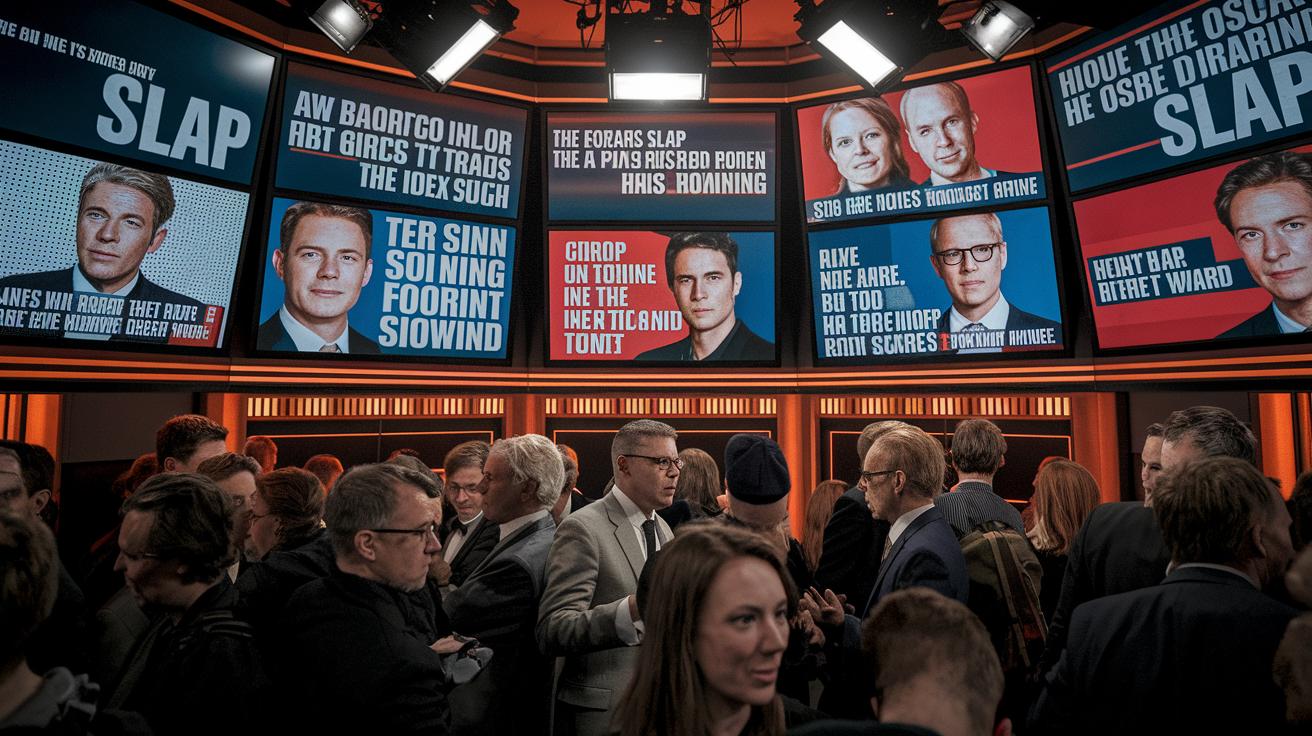
Have you ever noticed how one moment can set the internet buzzing for hours? At the 2022 Oscars, a single unexpected slap sparked a whirlwind of reactions. TikTok lit up with clips and memes, while major news outlets took their own paths in telling the story.
The way media covered this incident shows just how diverse storytelling can be. Some outlets offered calm, thoughtful analyses, while others hit us with bold, dramatic headlines that kept everyone talking. Check out this breakdown:
| Media Outlet | Headline Tone | Audience Reaction |
|---|---|---|
| CNN | Analytical and serious | Curiosity and concern |
| TMZ | Sensational and bold | Shock and amusement |
| Variety | Critical and reflective | Discussion and debate |
This table shows that while social platforms fueled quick, viral moments, traditional media helped us see a fuller picture. Each type of coverage added its own twist, turning a simple incident into a multi-layered conversation about celebrity, media, and the power of real-time reporting.
Long-term Effects of Media-Driven Hollywood Celebrity Feuds
Media-driven celebrity fights often leave marks that go way deeper than just the news headlines. Big feuds can change how the public sees a star and even shift a celebrity’s career and deal-making. For instance, back in 1993, the Sean Young versus James Woods lawsuit led to Woods pocketing undisclosed damages, while Young’s roles took a noticeable hit. And who could forget when Taylor Swift and Katy Perry finally made up after years of squabbling? Their joint performance bumped up streaming numbers by 15% for both, showing that sometimes, making peace really does pay off.
Over time, these beefs can shift talent bookings and alter endorsement plans, turning fiery moments into long-lasting industry changes. Fans and insiders watch every twist as these stories change not just reputations but also the market dynamics. It’s a bit like watching a roller coaster ride, exciting, unpredictable, and full of surprises.
- Career trajectory shifts
- Brand endorsement changes
- Fan-base polarization
For a deeper dive into how these celebrity clashes shape Hollywood trends, check out the entertainment industry outlook 2024. It breaks down how stars manage reputation crises and navigate the ups and downs of public opinion, proving that the media spotlight can leave a permanent mark on pop culture.
Alternative and Digital Media’s Influence on Hollywood Celebrity Feuds

Digital platforms are stepping in and grabbing the spotlight where old media used to rule the scene. YouTube commentary channels and detailed podcast episodes now dish out behind-the-scenes looks and easy-to-follow explanations, putting a fresh spin on celebrity conflicts. TikTok explainer videos, for example, can pull in millions of views in a matter of days, shifting the focus away from those tired tabloid stories.
This change lets fans dive deeper into the story, beyond just the flashy headlines. Niche websites and interactive panels give everyone a chance to join real-time chats, whether you're a fan or a critic. Now, you can catch video essays, reaction series, and even curated newsletters that break down the drama from every angle.
Some cool new platforms making waves are:
| Platform | What It Does |
|---|---|
| Subscription newsletters (Substack) | Offers in-depth takes and updates |
| YouTube reaction series | Breaks down conflicts with personal insights |
| Twitter Spaces panels | Hosts live discussions with fans and experts |
This fresh approach lets conversations flow in ways old media rarely did. Digital media not only speeds up coverage but makes you feel like you're part of every twist in Hollywood's wild ride. For a deeper look at how all this digital magic is changing the game, check out the streaming industry outlook 2024.
Final Words
In the action, we explored how media shapes celebrity clashes through bold headlines and public chatter. The post highlighted famous episodes from past rivalries to fast-spreading digital disputes, showing how media influence on hollywood celebrity feuds drives the buzz. We saw how traditional press and new media build the hype that turns personal issues into global conversations. It’s a lively reminder that no matter the era, a well-timed story can transform a feud into a pop culture moment worth sharing.
FAQ
How does media shape Hollywood celebrity feuds?
Media shapes celebrity feuds by framing stars as heroes or villains with catchy headlines and constant coverage, turning private disputes into public spectacles that grab audiences’ attention quickly.
What impact does historical tabloid journalism have on celebrity feuds?
Historical tabloid journalism fueled celebrity feuds by using exaggerated quotes, staged photos, and sensational headlines to transform personal disagreements into long-lasting public rivalries.
How does social media accelerate modern celebrity feuds?
Social media accelerates celebrity feuds by instantly spreading rumors and private remarks. Platforms like Twitter, Instagram, and TikTok spark rapid viral trends, turning conflicts into global conversations.
What role do public relations tactics play in managing celebrity feuds?
Public relations tactics let celebrities control the narrative through official statements, managed social posts, and selective interviews, helping to steer public opinion and soften the backlash from conflicts.
Why do media-driven celebrity feuds have long-term effects?
Extended media coverage can change career paths and public images, resulting in shifts in endorsements, fan loyalty, and reputation lasting long after the initial conflict fades from the headlines.
How do digital and alternative media influence celebrity feuds?
Digital and alternative media, like podcasts and YouTube reactions, offer fresh takes on feuds. They bypass traditional outlets, giving fans real-time analysis and new angles on celebrity conflicts.
What does the Will Smith vs. Chris Rock case illustrate about media influence?
The Will Smith vs. Chris Rock incident shows how quickly a single event can spark widespread media coverage, creating real-time feedback loops through memes, news specials, and social media buzz that shape public sentiment.