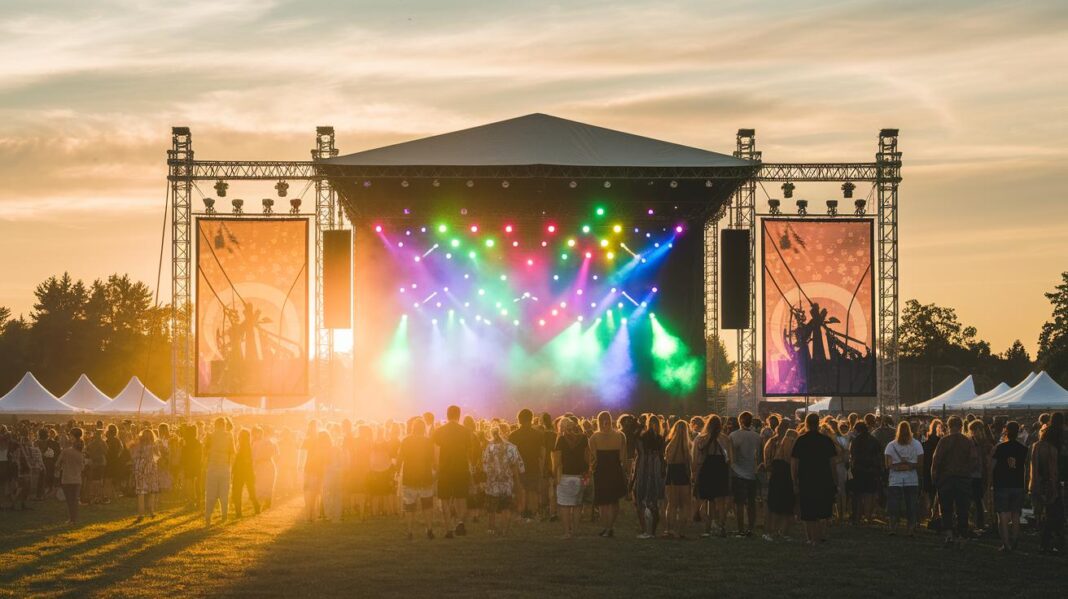

Ever thought one music festival could change your whole idea of live shows? Imagine dancing outside under a big, open sky with a crowd full of happy faces. Festivals around the world bring more than just music, they create moments you feel deep in your heart. Each beat fills the air with memories that last. Ready to catch those radiant sounds and feel the magic for yourself?
Overview of Top Music Festivals Worldwide
Music festivals give fans truly one-of-a-kind experiences and unforgettable live shows. Imagine being surrounded by thousands of music lovers, all gathered under sparkling skies while every beat makes you feel connected with both friends and strangers. It's a kind of magic that you have to experience to believe.
This guide looks at some of the coolest music festivals around the globe. From the buzzing energy of Tomorrowland to the deep-rooted history of Glastonbury, each event brings its own unique vibe. Whether it's the sunny, laid-back rock and pop mix at Coachella or the wide-ranging tunes at Sziget in Budapest, these festivals create moments you’ll remember for a long time. Even outlets like Montreux Jazz and Cape Town International Jazz put on shows filled with smooth, soulful rhythms, while Mawazine in Rabat draws millions with its world and pop sounds spanning a full week.
Below is a table that shows handy details like the founding year, location, crowd size, and main music style for each festival. It's a simple guide whether you're a regular festival-goer or setting off on your first musical adventure.
| Festival | Founding Year | Location | Average Attendance | Primary Genre |
|---|---|---|---|---|
| Coachella | 1999 | Indio, USA | ~250,000 | Rock/Pop/Hip-Hop/Electronic |
| Glastonbury | 1970 | Pilton, UK | ~210,000 | Multi-genre |
| Tomorrowland | 2005 | Boom, Belgium | ~400,000 | Electronic |
| Montreux Jazz | 1967 | Montreux, CH | ~250,000 | Jazz/Blues/Rock |
| Rock in Rio | 1985 | Rio de Janeiro, BR | ~700,000 | Rock/Pop |
| Fuji Rock | 1997 | Niigata, JP | ~100,000 | Rock/Electronic |
| Sziget | 1993 | Budapest, HU | ~500,000 | Multi-genre |
| Splendour in the Grass | 2001 | Byron Bay, AU | ~80,000 | Rock/Indie |
| Cape Town International Jazz | 2000 | Cape Town, ZA | ~37,000 | Jazz/World |
| Mawazine | 2001 | Rabat, MA | 2.5 million | World/Pop |
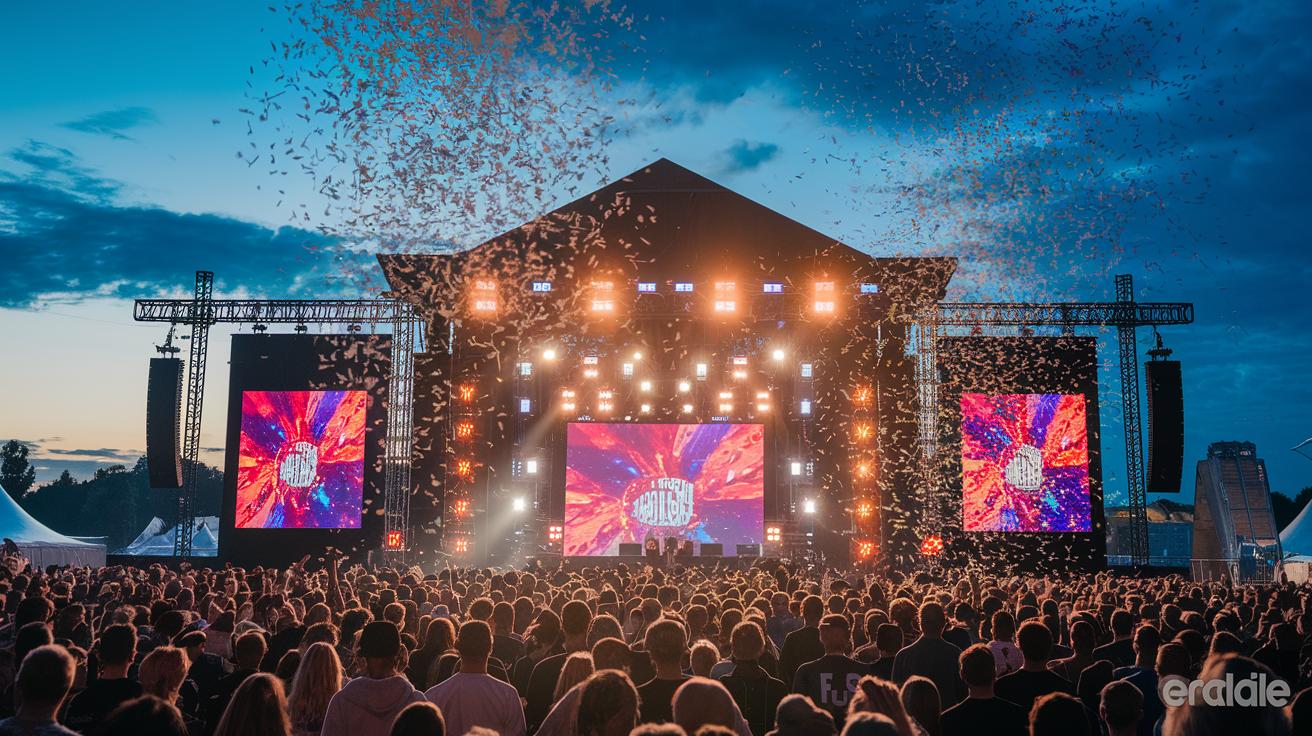
Music Festivals Worldwide: Radiant Beats Abroad
Electronic music festivals are like stepping into a light show that grabs your attention and makes you want to dance. Think of Tomorrowland in Belgium with its dazzling stage shows that leave you wide-eyed, or Ultra Music Festival in the USA, which has been setting hearts racing since 1999 with beats that make nearly 165,000 fans feel each pulse like a heartbeat. It's one of those moments where every drop sends a surge of excitement through the crowd.
Rock festivals bring a raw, gritty energy that’s impossible to ignore. Rock am Ring in Germany has been a celebration of hard-hitting guitar riffs and booming drums since 1985, drawing about 90,000 die-hard fans. And if you’re over in the UK at the Download Festival, you join roughly 110,000 music lovers who can’t get enough of the blend between classic rock vibes and modern twists.
Jazz festivals offer a more relaxed, soulful escape. Picture yourself at Montreux Jazz in Switzerland or the Newport Jazz Festival in the USA (running since 1954), where smooth tunes flow like a gentle conversation between old friends. Over in the Netherlands, the North Sea Jazz festival creates that same intimate, feel-good vibe that leaves you feeling both calm and inspired.
World and folk festivals serve up a colorful mix of international sounds. WOMAD travels around the globe, keeping each show fresh, while Mawazine in Morocco buzzes with the energy of about 2.5 million people enjoying a unique blend of cultural rhythms. It’s like taking a mini world tour through music.
Then there are pop and hip-hop festivals that really amp up the energy. Lollapalooza, covering cities like Chicago and reaching into parts of Latin America, brings in over 400,000 fans hungry for dynamic, chart-topping beats. In the UK, the Wireless Festival wraps up the lineup with a sonic adventure that marries pop and hip-hop in an unforgettable way.
Essential Planning Tips for Attending Music Festivals Worldwide
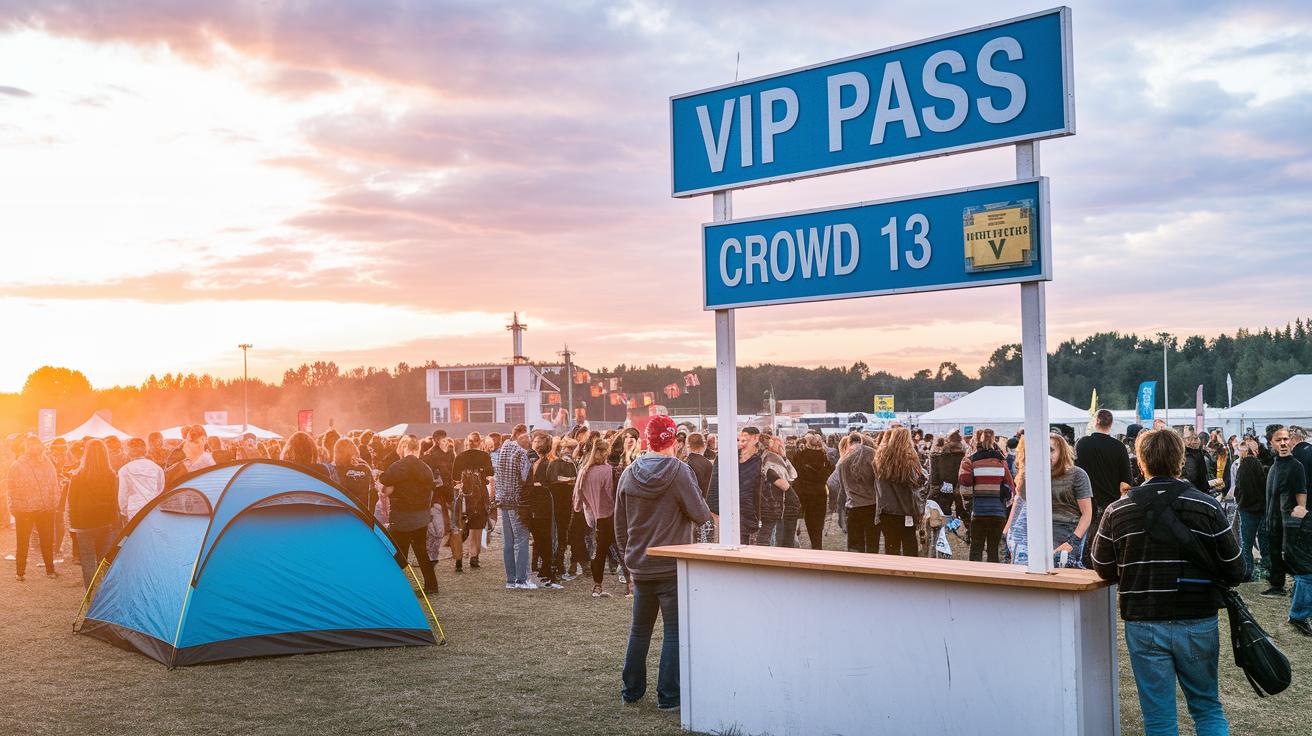
When you're gearing up for a festival, start by sorting out your tickets. Many festivals begin selling tickets six to twelve months in advance, so circle that date on your calendar. General admission tickets usually run from about $100 to $400, while VIP passes can reach around $1,000. Imagine scoring a VIP pass at a big festival and getting a sneak peek behind the scenes, pretty cool, right?
Next, think about where you'll stay. Lots of festivals offer on-site camping, which lets you soak in the full festival vibe. If camping isn’t really your thing, there are hotels or hostels nearby that typically cost between $50 and $200 a night. It’s a good idea to compare your options to see what fits your budget best.
Travel plans are key, too. Check which international airport is closest and see if the festival provides shuttle services or deals on public transport. This can save you both time and money while you navigate crowded festival grounds.
Also, make sure to look into visa and entry requirements well ahead of time, starting at least three months before your trip helps avoid last-minute hassles. Don’t forget to budget for daily expenses like food and drinks, which might cost about $30 to $60 per day. Lastly, consider getting some festival-specific insurance to protect your plans.
Tip: Keep a checklist for ticket prices, lodging options, and travel details.
Tip: Always double-check local rules and visa policies before booking your trip.
Sustainability and Cultural Impact of Music Festivals Worldwide
Festivals today are taking the green route in a big way. Take Glastonbury, for instance – it recycles 85% of its waste, showing that having a blast doesn't hurt the planet. Over in Denmark, Roskilde treats fans to 100% organic food, and in France, We Love Green runs completely on solar power. These festivals prove that great music and caring for the environment really can come together.
They also give local economies a strong boost. Many of these events pour between $50 million and $100 million into their communities, which helps tourism grow by 20–30% every year. This extra cash supports local businesses and even helps make improvements in the area.
On top of that, festivals are cultural hubs that highlight local artists, crafts, and food. They create a lively space where people from different backgrounds connect and share ideas. Plus, community programs like workshops, charity drives, and volunteer opportunities help build strong social bonds, making sure the positive vibe lasts long after the last note fades.
Final Words
In the action, we explored a thrilling world of music festivals worldwide, from headline events to regional gems and genre-spanning celebrations. The post broke down everything from essential planning tips to the cultural impact these events have on local communities. We saw how lineups, ticket strategies, and eco-friendly moves shape the festival experience. It’s a cheer-worthy reminder that every festival offers a chance for memorable moments and positive energy. So, keep your eyes peeled and your spirit high for the next pulse of music festivals worldwide!
FAQ
Q: What are some of the top global music festivals?
A: Top global music festivals include Coachella, Glastonbury, Tomorrowland, Montreux Jazz, Rock in Rio, Fuji Rock, Sziget, Splendour in the Grass, Cape Town Jazz, and Mawazine, each known for iconic performances and large crowds.
Q: How do music festivals vary by region?
A: Music festivals vary by region with examples like Glastonbury, Sziget, and Tomorrowland in Europe; Coachella and Summerfest in North America; Rock in Rio in Latin America; Fuji Rock in Asia; Cape Town Jazz in Africa; and Splendour in the Grass in Oceania.
Q: How does genre diversity shape music festivals worldwide?
A: Genre diversity shapes festivals by showcasing events catering to electronic, rock, jazz, world/folk, and pop/hip-hop fans, with festivals like Tomorrowland, Rock am Ring, Montreux Jazz, WOMAD, and Lollapalooza offering specialized experiences.
Q: What essential planning tips help when attending music festivals?
A: Essential planning tips include buying tickets 6–12 months ahead, comparing accommodation options like camping and hotels, planning travel logistics, checking visa requirements, budgeting daily expenses, and considering festival-specific insurance.
Q: How do music festivals promote sustainability and benefit local communities?
A: Music festivals boost sustainability by recycling waste, using organic food, and sourcing renewable energy, while also driving economic benefits, cultural exchange, and community programs that support local artists and regional tourism.